
“I wanted to capture both sides of the coin: the vibrant, rhythmic pulse of Jamaican life and the heavy, unvarnished realities that lived beneath it.”
The inspiration: A Tribute to a generation of Women
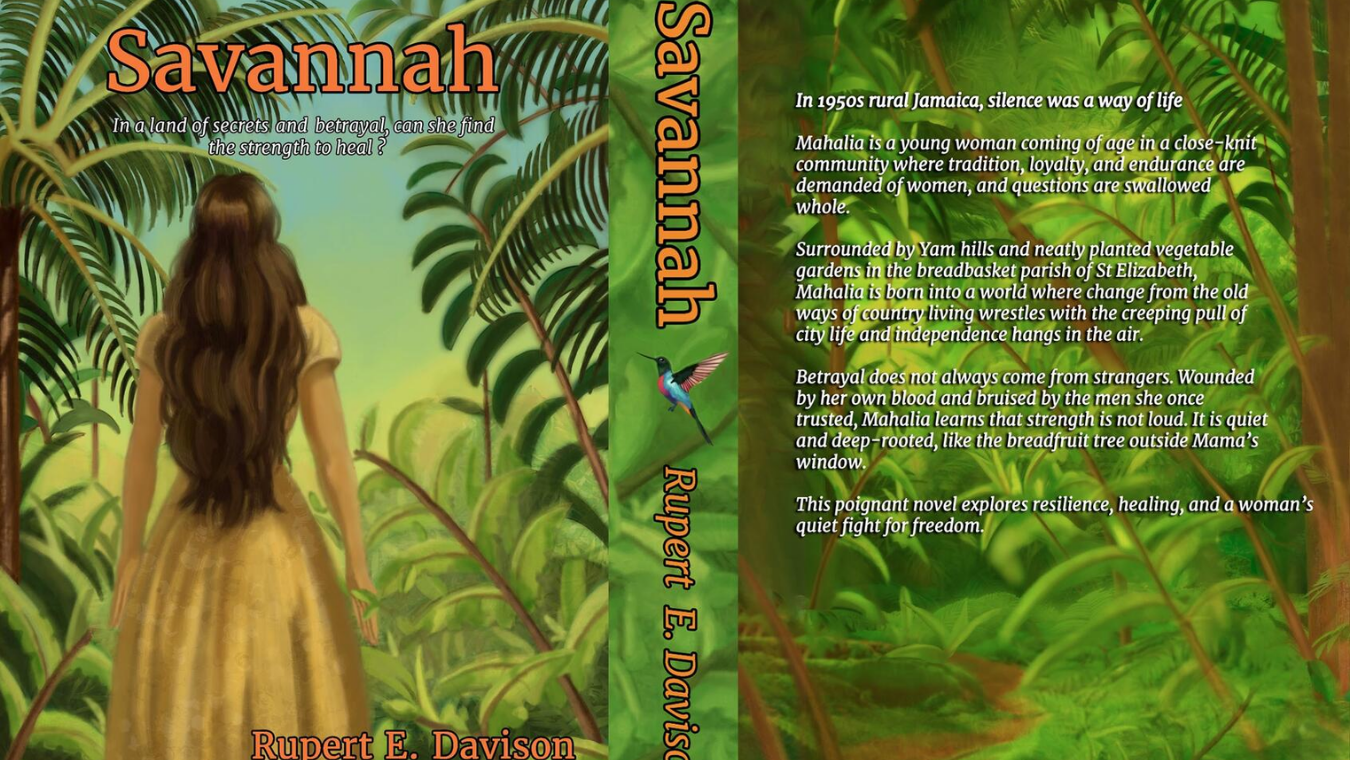
The spark for my debut novel, Savannah, came from looking back at my mother’s era and the profound hardships women of that generation endured . It is an exploration of what women put up with in the name of love, the silent struggles they carried dealing with their men, and the painful reality that, to this day, many women are still putting up with the very same things.
Growing up in the UK with Caribbean – Jamaican parents I was surrounded by a beautifully vibrant community. On weekends, it felt like half of the community from my parent’s home parish who had migrated to the UK would gather.
The room would be filled with the clatter of dominoes, music, food, drinks, and the magic of oral storytelling. But beneath that lively surface, there was a deeper history I felt compelled to acknowledge. Caribbean women, not just from Jamaica, have historically put up with a tremendous amount of hardship and abuse from their men, often because society treated it as the accepted norm, I wanted to give an honest acknowledgement to these women.
The truth is what gives Savannah its rawness – it is history told directly through the eyes of the women on their journey.
The Setting: A Lively, Collective Era
The story is set in 1950s Jamaica, a time that was incredibly alive. It was an era bursting with music, distinct characters, and a unique collective energy. Even though life was undeniably hard, there was a noticeable sense of togetherness and community that bound people together. I wanted to capture both sides of the coin: the vibrant, rhythmic pulse of Jamaican life and the heavy, unvarnished realities that lived beneath it.
The Journey: A Lived Education and Reclaimed Dream
My path to becoming a published author didn’t follow the traditional academic route. Coming from a proud working– class family background, I didn’t sit in a university lecture hall studying creative writing: instead, my education came from going to college and directly from life, hard work and the rich oral traditions of the Caribbean diaspora.
For decades, my focus was where it had to be working hard and raising my family. Life was busy, and there simply wasn’t the time or the space to fulfil a lifelong dream of writing. Taking early retirement changed that, it has given me the time I needed to write and fulfil that creative calling. Writing Savannah proved to me that having an authentic voice and a story that demands to be told is the ultimate qualification. Stepping into the literacy world on my own terms has been deeply empowering, and I hope it shows other aspiring writers from working–class roots that it is never too late to believe in yourself.
Preserving the Culture through Language
Language is the ultimate culture bridge, and for my community, Jamaican Patois was what we spoke far more than standard English. It was only right that Savannah was written to reflect that authenticity. The legendary cultural icon Miss Lou (Louise Bennett-Coverley) onceadvocated fiercely against letting the Jamaican Patios, language die, reminding us of its power and identity. Weaving the patois into the dialogue isn’t just about history; it is an act of cultural preservation and a tribute to the rhythm of my childhood. With Savannah launching this June seeing these women’s stories out in the world is the fulfilment of a lifelong duty to remember, honour, and keep our culture alive.
If The Heart & History behind Savannah felt familiar, stay with us.
Cocoa & Coconut tells stories Caribbean women are living – across the islands and the diaspora.
Join The Cocoa & Coconut Letter