
What happens when the resources available to Caribbean parents and educators don’t reflect the children they’re trying to support? Shantal Samaroo explores why we need learning tools created with Caribbean families in mind.
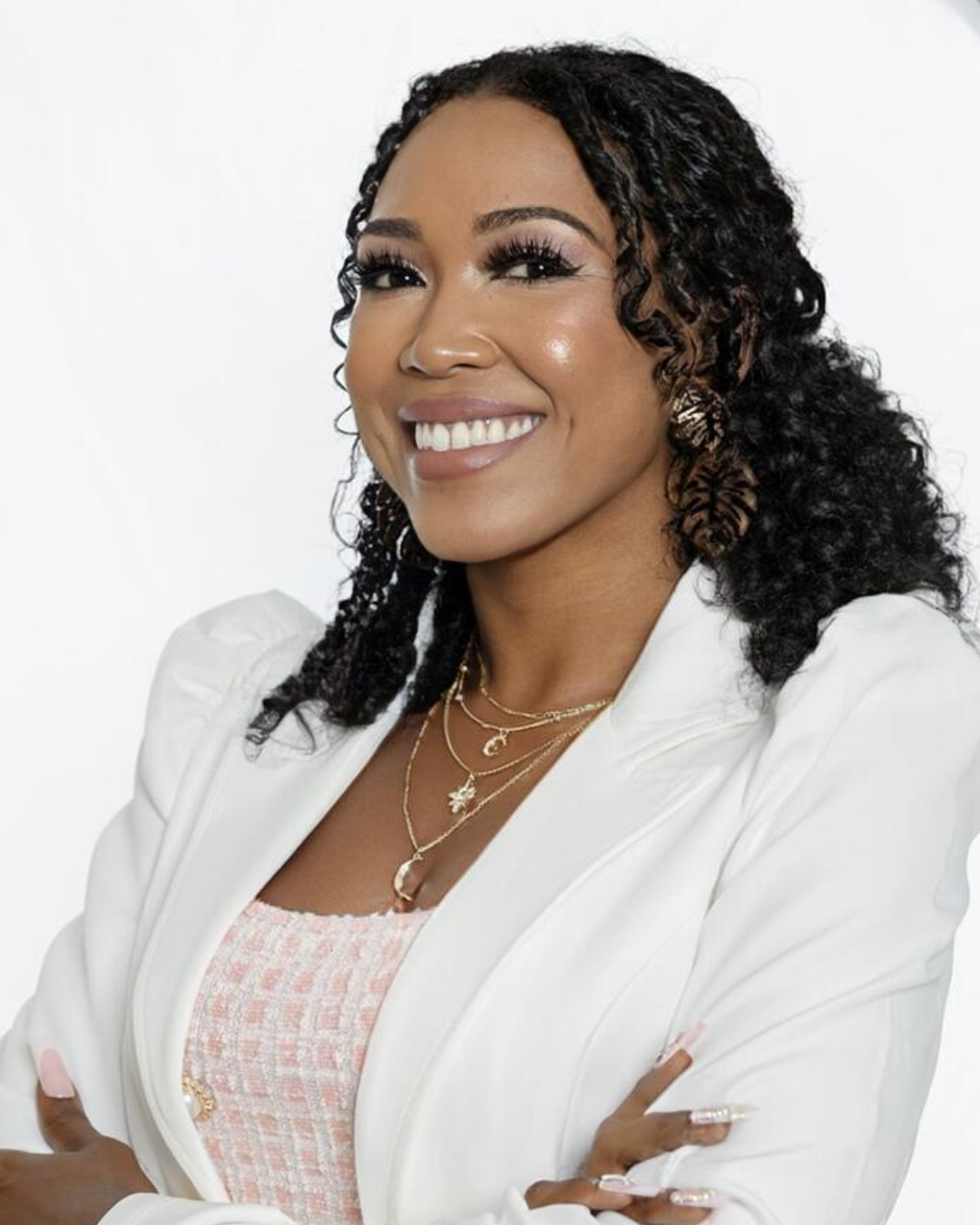
I wanted to share my passion for empowering parents and their children with more people, not just locally, but across the entire Caribbean. I realised that digital products were the best way to do that.
iLearn Academy can only hold so many children at a time, but a digital resource? That can reach a mother in Barbados, a teacher in Jamaica, an auntie in Guyana, all at once. That possibility really excited me. As someone running a preschool and creating digital resources, I’ve seen firsthand how hungry our community is for quality educational content rooted in our Caribbean experience.
From my experience, there are two main challenges Caribbean mothers and educators face when trying to support children’s learning at home: time, and the guilt that comes with not having enough of it.
Caribbean mothers are doing so much. Being a mom is already a full – time role. Being an at – home teacher on top of that? That’s a lot to ask. So, when they do try to support their child’s learning, they’re often running on empty, second – guessing themselves and doubting whether they’re doing it the “right” way.
Sometimes they go looking for answers, which leads them down a rabbit hole of international research and resources that weren’t created with our Caribbean families in mind. You can’t take an American or a British framework and apply it wholesale to a Caribbean child and expect the same results.
Our context is different. Our history is different. Our children are different. That gap between what’s available and what’s relevant is where a lot of the overwhelm comes from.
What I think is currently missing from many educational resources is a relatable viewpoint. One that understands, with empathy, how our history, our society, and our economy have shaped us. Not just as a region, but as individual Caribbean territories with our own cultures, our own wounds, and our own strengths.
So much of what shapes children’s behaviour is rooted in how we were raised, and how our parents were raised before us. There are mindsets and patterns that have been passed down through generations; some of them beautiful, some of them no longer serving us.
What’s missing is content that helps Caribbean families name those patterns, understand where they came from, and make intentional choices about what they want to keep and what they want to release.
Resources that don’t ask us to become something foreign but instead celebrate exactly who we are and what we can build and achieve.
Technology opens infinite entry points for learning, especially for children and adults who are visual, hands-on, or auditory learners. It can break down complex systems and structures and put the tools directly into the hands of everyday people who need them.
But more than that, it’s a connector. It lets us reach our Caribbean brothers and sisters across islands and collaborate in ways that geography used to prevent.
I’ll use myself as an example. Sometimes an idea hits me, and I need to act on it immediately before the momentum fades. Technology lets me do that. Things that would have taken months or years to create, or that might never have been created at all, can now come to life quickly.
That’s not replacing tradition. That’s giving our ideas a faster path into the world.
But let me hold your hand while I say this: feeling overwhelmed is a signal, and it’s worth listening to. I need you to know that technology is not required for learning. Not at all.
Learning happens in everyday environments, in everyday moments. It happens when you’re present with your child. When you’re observing them, listening to them, allowing them to be exactly who they are. To like what they like, feel how they feel, and do what they naturally want to do within safe, developmentally appropriate limits.
Think of yourself less like a parent or teacher and more like a gardener.
Your job isn’t to force growth. It’s to create the conditions for it.
We live in a world that puts a lot of pressure on parents to use every tool, follow every trend, and optimise every experience. But not everything is for everyone, and that is completely okay.
If technology overwhelms you, you don’t have to use it. Your child needs your presence far more than they need a screen.
I want every Caribbean woman who reads this to walk away knowing that she is already enough and that getting clearer on who she is and what she needs is not a luxury. It is the work.
Whether you’re a mother trying to figure out how to support your child without losing yourself in the process, a teacher doing her best with limited resources and unlimited heart, or a woman at a crossroads wondering if she was made for the nine-to-five or for something she builds herself.
I see myself in you.
We don’t have to have it all figured out. You don’t have to follow a path that wasn’t designed with your life in mind.
What I hope you take away is permission: to trust your instincts, to seek out knowledge that speaks to your reality, and to build something, whether that’s a business, a home environment, or a learning space, that is unapologetically Caribbean.
If We Need More Than Educational Resources. We Need Caribbean Ones felt familiar, stay with us.
Cocoa & Coconut tells stories Caribbean women are living – across the islands and the diaspora.
Join The Cocoa & Coconut Letter