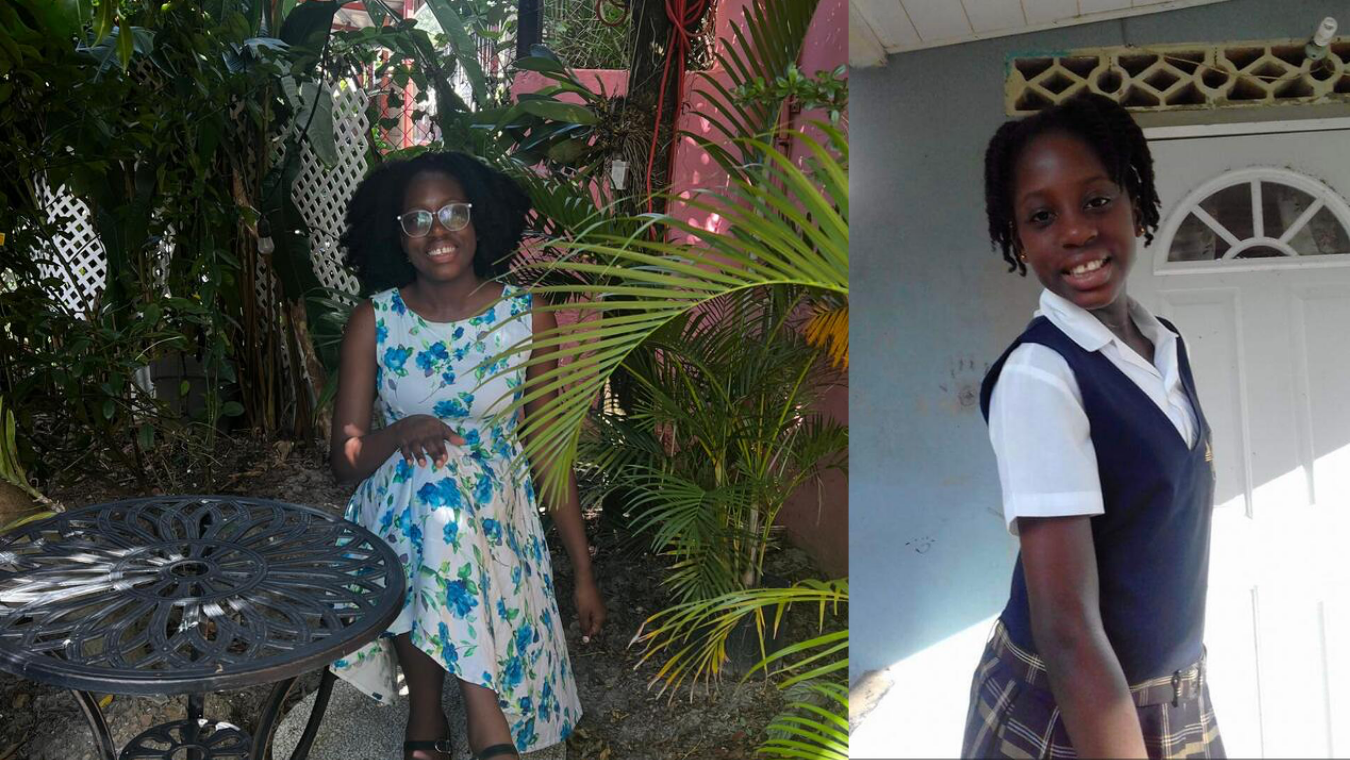
Beauty seems to be the most harshly judged attribute of every woman I know. It often determines how she is treated in this world before she even says a word.
As a young girl, a boy I considered a friend rated me a six out of ten amongst a group of boys. What I remember most was not the number itself, but the uproar that followed. I got the feeling that many of the boys thought six out of ten was way too high.
I was a dark-skinned girl with kinky hair and bigger lips. In short, I was an unambiguous Black girl. I was eleven years old, and by then I already knew that very few people thought I was beautiful.
Less than a year later, my mother decided I needed either a relaxer or to become a Rasta. I chose the relaxer.
After eleven years of my life cloaked in invisibility, I was suddenly desirable. Suddenly beautiful.
It was jarring.
Coincidentally, one of the same boys who had been shocked at my rating suddenly had a crush on me. I did not believe it and I did not believe him. The damage had already been done, and I did not forget.
People like to think parents can shield their children from systemic and cultural issues. I have found that to be untrue, or perhaps a little disingenuous. Many parents reinforce these negative ideas themselves. Mine did not. But I still walked into a world that saw me as Black and ugly.
No amount of my mummy telling me I was beautiful could compete with what I was seeing around me.
Every advertisement that was supposed to represent beauty seemed to feature a skinny, light-skinned or mixed girl with loose curls. And when Carnival came around, no model looked like me.
I noticed that absence long before I had the words to explain it.
The beauty standard in Trinidad, Tobago, and across much of the Caribbean continues to lean toward light-skinned beauty. But it does not have to.